


Looking For Western Adventure Books? Here Are 10 Things You Should Know
You think you know the Western.
You think it’s just dusty hats, slow-talking sheriffs, and a predictable shootout at high noon.
You’re wrong.
The Western adventure genre has evolved. It’s leaner. Meaner. It’s no longer just about the history; it’s about the adrenaline. It’s about the character who has nothing left to lose and a wild, unforgiving frontier that wants to swallow them whole.
Whether you’re looking for a sprawling saga set in the untamed Yellowstone or a gritty, character-driven thriller, there’s a right way and a wrong way to pick your next read.
Stop wasting time on "literary" fluff that puts you to sleep by chapter three. Here are the 10 commandments for finding Western adventure books that actually deliver.
1. Character Is Your North Star
If the protagonist is a cardboard cutout, throw the book in the trash.
In the modern Western, we don’t care about the size of the gun. We care about the weight on the man’s conscience. Character-driven narratives are what separate the classics from the bargain-bin filler. You want a lead who is flawed, scarred, and desperately trying to survive their own bad choices.
BAM!! That’s where the tension comes from.
If you aren't rooting for the character to make it through the night, the plot doesn’t matter. Look for stories like Jonathan Smyth Cowboy Sleuth where the internal struggle is just as dangerous as the external one.
2. The Landscape Is a Predator
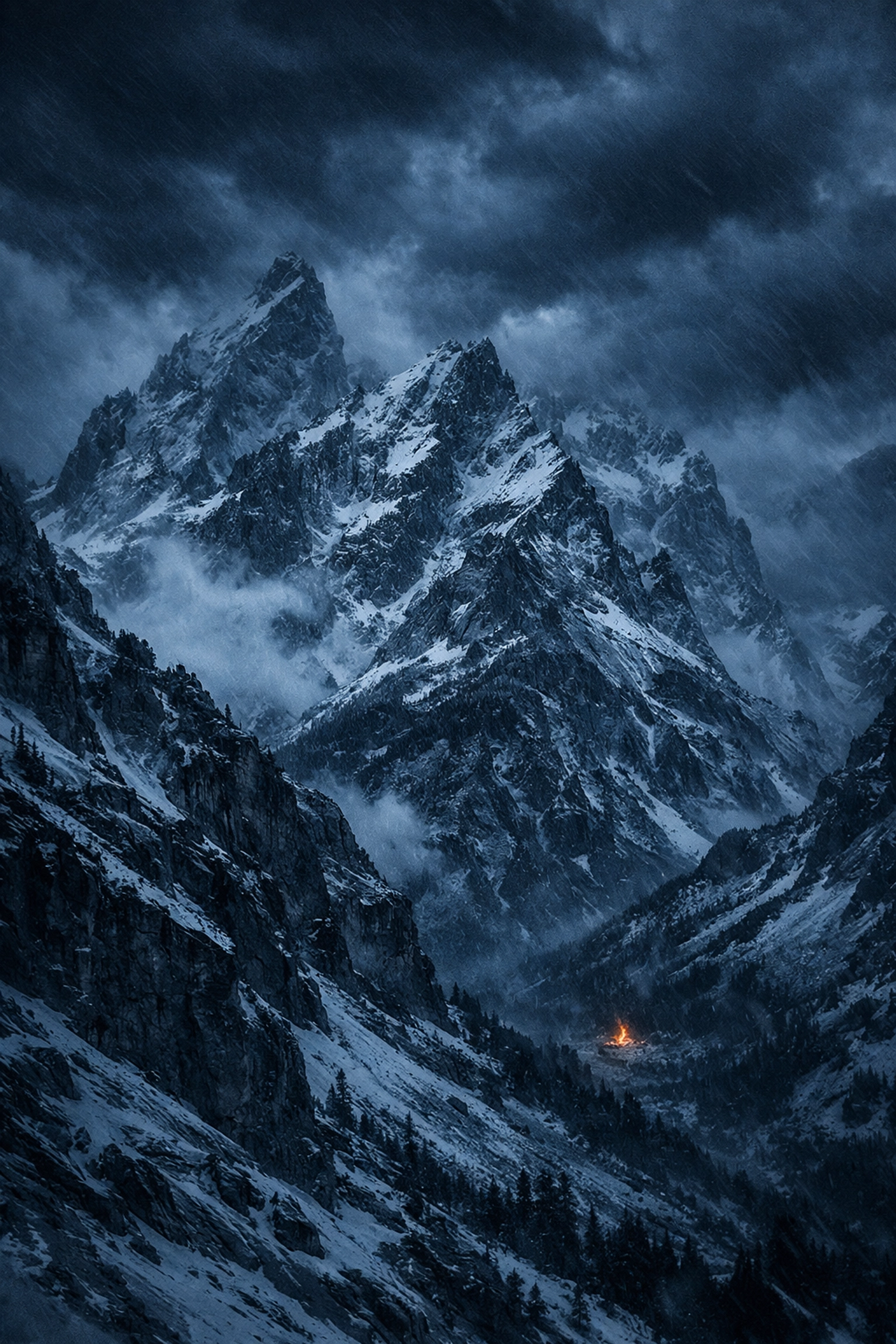
In a great Western adventure, the setting isn’t just a backdrop. It’s an antagonist.
The frontier: especially places like the rugged Yellowstone wilderness: isn't there to look pretty in a sunset. It’s there to starve you, freeze you, or drop a mountain on your head.
The best books treat the land like a living, breathing character. If the author spends more time describing the "majesty" of the mountains than the "menace" of the terrain, they’ve missed the point. You want to feel the grit in your teeth and the cold in your bones.
3. Kill the "Literary" Pretense
Some writers think they’re the next Shakespeare. They use fifty words when five would do.
Don't fall for it.
Western adventure should be cinematic. It should move. You want lean prose. Active verbs. Punchy dialogue that cuts like a knife. The goal is entertainment, not an academic lecture on 19th-century agrarian policy.
If the book doesn't hook you in the first five pages, it’s not an adventure. It’s a chore. Stick to authors who prioritize the reader's experience over their own ego. Check out the Frank Fiore blog to see how we keep things fast-paced and evocative.
4. Authenticity Over Accuracy
Here’s a hard truth: Pure historical accuracy can be boring.
You don’t need a manual on how to shoe a horse. You need to feel what it’s like to ride one into a blizzard.
The "vibe" of the frontier is more important than the exact date a specific steam engine was commissioned. Great Westerns capture the spirit of the era: the lawlessness, the desperation, and the raw hope. They make the past feel like the present.
Books like A Savannah Horse Saga understand this balance perfectly. It’s about the soul of the journey, not just the logistics.
5. The "Lone Wolf" Needs a Reason
We all love the stoic drifter. But if he’s just wandering around for no reason, he’s a bore.
The best Western adventure books give their heroes a "why." Are they running from a past? Seeking revenge? Protecting someone who can't protect themselves?
A lone wolf without a mission is just a guy with a dog. You need stakes. High stakes. If the hero doesn't have skin in the game, you won't have your heart in the story.
6. Nature Wants You Dead
The "Thrill of the Wild" isn't about hiking. It’s about survival.
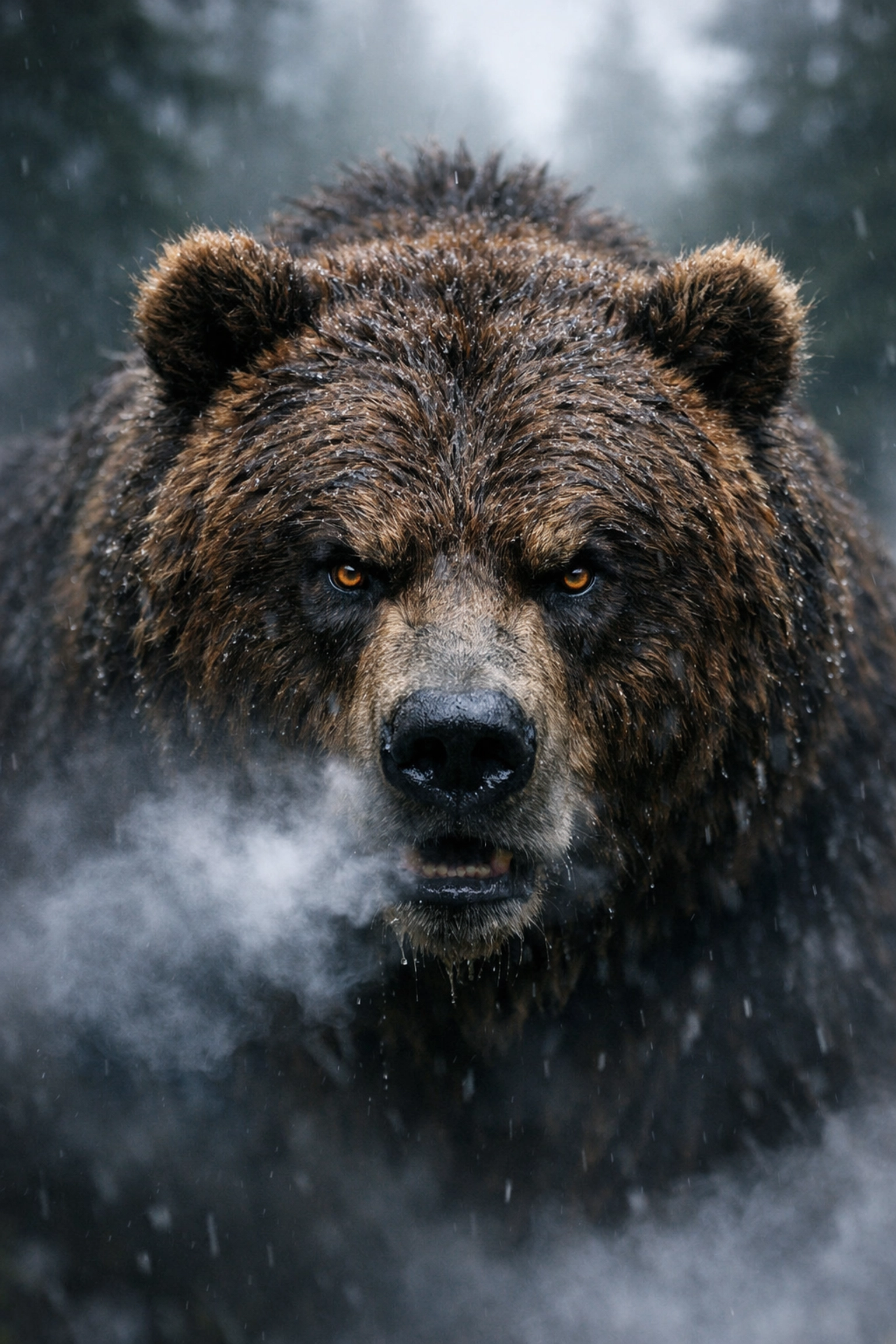
When you look for a Western set in the frontier, look for the element of man vs. nature. Grizzlies, flash floods, winter storms: these are the elements that keep the pages turning.
If the protagonist spends the whole book in a saloon, it’s a drama, not an adventure. Get them out into the dirt. Make them fight for every inch of ground.
7. Moral Ambiguity Is Mandatory
The "White Hat vs. Black Hat" trope is dead and buried. Good riddance.
In the real world: and in the best fiction: everyone is a shade of gray. The hero does things they aren’t proud of to survive. The villain might have a point. This complexity is what makes a story stay with you long after you close the cover.
You want a narrative that makes you question what you would do in that situation. Would you pull the trigger? Would you leave a man behind?
That’s the meat of a real Western.
8. Pacing Is a Weapon
A Western adventure should feel like a runaway train.
It starts with a nudge and ends with a crash. If the middle of the book drags like a tired mule, the author failed.
You want chapters that end on cliffhangers. You want scenes that build tension until it’s unbearable, then explode. Short sentences. Fast dialogue. Rapid-fire action.
If you're looking for that kind of intensity, look into Oracle or Pyrrhic Victory. These aren't just books; they’re experiences designed to keep you up until 2 AM.
9. Don’t Ignore the "New" Western
The genre isn't just restricted to the 1880s.
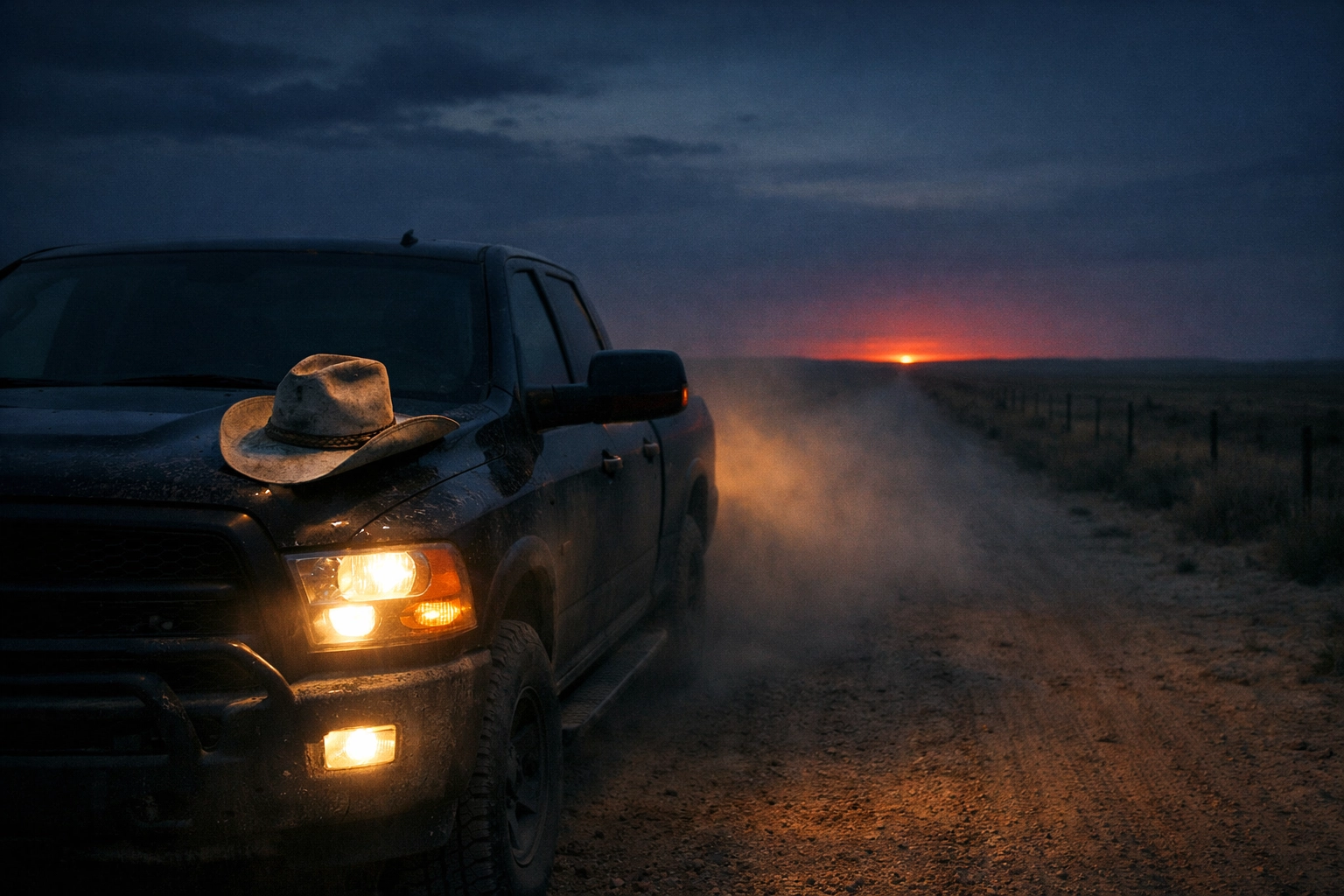
Modern Westerns: sometimes called Contemporary Westerns or Neo-Westerns: bring that same frontier spirit to the 21st century. Think about the lawlessness of modern cartels or the isolation of the contemporary mountain west.
The themes remain the same: Justice, survival, and the clash between the individual and the system. Don't limit yourself to spurs and stagecoaches. The "West" is a state of mind.
10. Find a Guide You Trust
There are thousands of books out there. Most of them are crap.
Don't just pick a cover because it has a sunset on it. Follow authors who have a proven track record of delivering evocative, fast-paced thrillers.
You need a curator. Someone who knows the difference between a slow-burn slog and a high-octane adventure.
If you’re ready to stop searching and start reading, head over to the Frank Fiore homepage. We specialize in stories that bite.
Why the Western Matters Now
Why are we still obsessed with the frontier?
Because the world feels crowded. It feels loud. The Western adventure book offers an escape to a place where a person’s word still matters and the biggest threat isn't a social media notification: it’s the horizon.
It’s about the fundamental human desire to be free.
When you pick up a book set in the wild, you aren't just reading a story. You’re testing yourself. You’re asking: Could I survive this?
The Bottom Line
Don't settle for mediocre fiction.
Look for the grit. Demand the tension.
If you want a roadmap of what to read next, or you want to dive into the mind of an author who lives and breathes this stuff, check out our services or browse our full collection of books.
The wild is calling. Are you going to answer?
Stop thinking and start reading.
Go to Frank Fiore’s Book Shop and grab something that will actually move the needle. Whether it's historical or a modern thriller, make sure it's an adventure worth your time.
Your next favorite book is waiting. Go get it.
Comments